
Seleccionar un casino online en España puede resultar abrumador. Azurslot Casino apuesta por una idea clara: lograr ganancias no depende solo de la suerte, sino que de una estrategia bien pensada. Nuestros bonos están diseñados para que tus sesiones den más fruto, dándote más oportunidades y mejor valor desde el minuto uno.
Tipos de Bonos que Encontrarás en Azurslot Casino
Tenemos una variedad de bonos para diversos estilos de juego. El bono de bienvenida es tu entrada, que acostumbra a incluir un match sobre tu primer depósito con giros gratis. Además hay bonos de recarga para depósitos siguientes, promociones de fidelidad y ofertas especiales por el lanzamiento de un juego innovador o un evento.
Los giros gratis son otro habitual. A menudo vienen en el paquete de bienvenida o como oferta independiente. Te dejan probar las tragaperras más conocidas sin usar tu dinero. Otra opción usual son las ofertas de cashback, que te reintegran un porcentaje de tus pérdidas, haciendo que una mala racha duela menos.
El Poder de los Bonos: Aumenta tu Bankroll desde el Inicio
Un bonificación de casino es una herramienta clave para el jugador que piensa a largo plazo. En Azurslot, vemos estos bonos como una ampliación de tu bankroll. Te facilitan explorar más juegos y prolongar tu entretenimiento sin gastar más de tu bolsillo. Sacar partido un bono puede ser ese estímulo que te conduzca a una ganancia importante.
Diseñamos nuestras ofertas para dar un valor concreto. Evitamos las cantidades desmedidas con condiciones imposibles. Elegimos promociones realistas que optimicen tu experiencia de verdad. Te orientamos para que sepas detectar y usar estos bonos, brindándote superioridad desde tu primer depósito.
Protección y Apuesta Consciente: Nuestro Compiso en España
Funcionamos con una licencia europea que nos obliga a mantener los niveles más altos de salvaguarda y juego limpio. Aseguramos tus datos personales y financieros con técnica de encriptación SSL. Igualmente, todos nuestros juegos son auditados por organismos independientes que certifican la azarosidad de los resultados.
El apuesta consciente es una prioridad para nosotros. Situamos a tu servicio instrumentos para que controles tus depósitos, quebrantos y tiempo de conexión. Te animamos a que definas tus propios límites y ofrecemos el acceso a organizaciones de asistencia como Jugarbien.es. Pensamos que el apuesta responsable comienza por el gestión y la conciencia.
Cómo Reclamar y Maximizar tu Bono de Registro
Reclamar tu bono de bienvenida en Azurslot es fácil. Primero, registra tu cuenta y valida tu identidad, un trámite necesario. Después, ve a la sección ‘Promociones’ y selecciona la oferta de bienvenida. Haz tu primer depósito, verificando de alcanzar el mínimo, y el bono se agregará a tu cuenta de forma automática o tras meter un código.
El truco está en los términos y condiciones. Fíjate sobre todo en el requisito de apuesta, o ‘wagering’. Este número te muestra cuántas veces tienes que invertir el dinero del bono antes de poder sacar las ganancias. Para activar tus fondos rápidamente, selecciona juegos que contribuyan al 100% a este requisito, como la mayor parte de las tragaperras.
¿En qué consiste Azurslot Casino y Por qué Motivo Destaca en España?
Azurslot Casino es una página de juego online desarrollada para el jugador español. Todo ello, desde los juegos hasta los pagos, representa lo que quieren los aficionados locales. Funcionamos con una licencia que asegura un entorno seguro y juego justo.
Lo que nos distingue es la transparencia. La navegación, el soporte y las promociones están diseñados en español. Sabemos el mercado y nos comprometemos a proporcionar entretenimiento, pero también confianza, a través de promociones que de verdad añaden valor.
Títulos Sugeridos para Optimizar tus Bonos

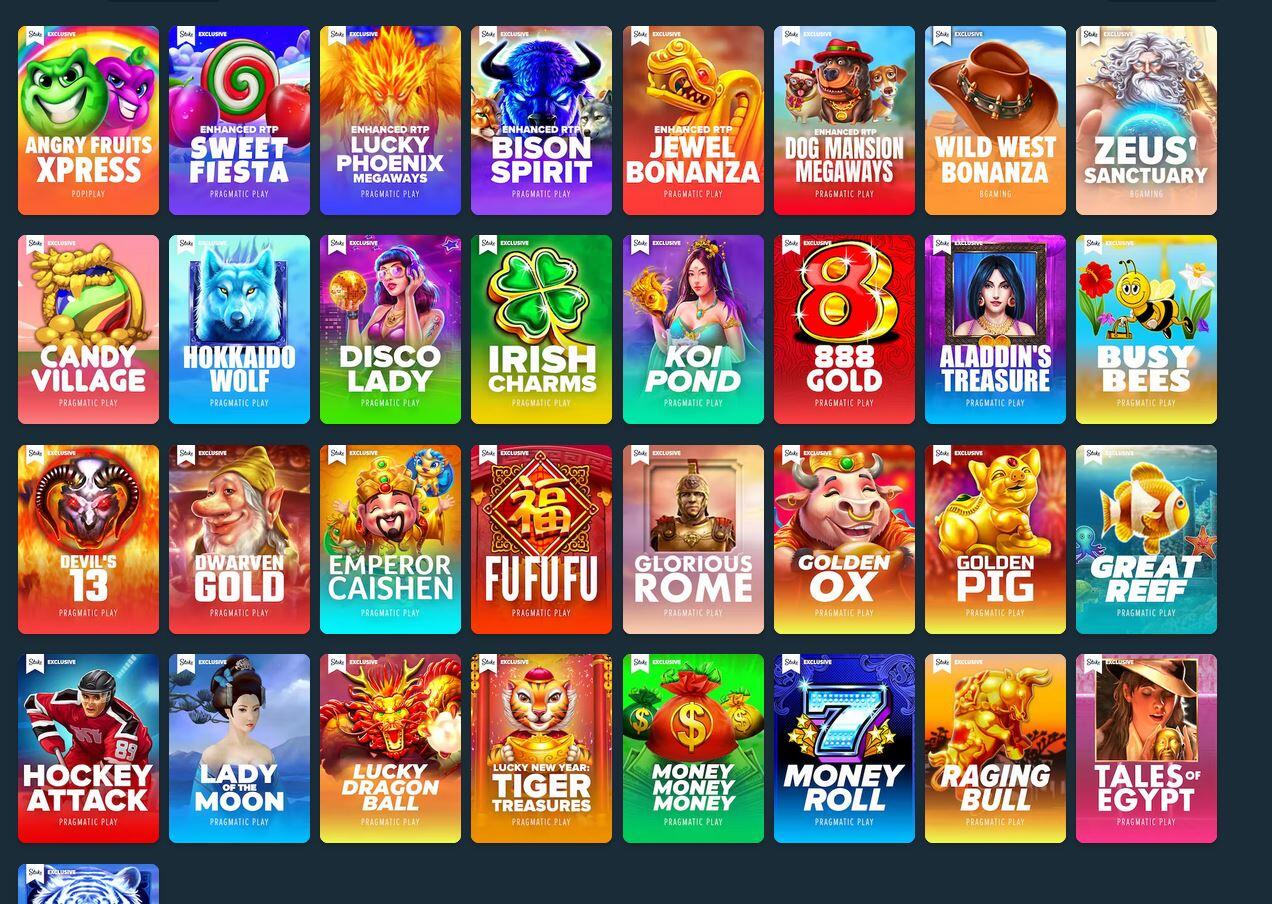
Para obtener el mayor beneficio a un bono, escoger correctamente el juego es clave. Las tragaperras son prácticamente siempre la mejor opción, porque aportan al 100% al wagering. En esta categoría, busca títulos con un RTP (porcentaje de retorno) elevado, preferiblemente por encima del 96%. A largo plazo, estos juegos ofrecen un mejor rendimiento teórico.
Algunos slots populares como Book of Dead, Starburst o Gonzo’s Quest son buenas elecciones. Si te gustan más los juegos de mesa, comprueba siempre su porcentaje de contribución en los términos. Juegos como la ruleta europea (con un solo cero) pitchbook.com pueden ser una opción más recomendable que la ruleta americana, porque la ventaja de la casa es menor.
Estrategias para Satisfacer los Requisitos de Juego
Manejar el requisito de apuesta es una cuestión de planificación. Lo ideal es centrarse en entretenimientos con alta contribución, que acostumbran a ser las slots (casi invariablemente al 100%). Entretenimientos como la ruleta o el blackjack contribuyen mucho poco o nada. Participa con calma y escoge slots de variabilidad moderada o elevada según qué nivel de riesgo desees aceptar.
Establece un máximo de duración y de gastos para cada partida. No incurras en la trampa de perseguir el wagering de forma descontrolada. El propósito es convertir el bono en capital auténtico que puedas sacar, y hacerlo con control. Utiliza nuestras recursos de administración del juego para controlar tu actividad y gozar de forma consciente mientras desbloqueas tus ganancias.
Descifrando los Términos y Condiciones Clave: Requisito de Apuesta y Adicionales
Apostar con sabiduría exige descifrar la marketindex.com.au letra pequeña. El wagering es lo esencial. Un factor de 30x implica que debes invertir el valor del bono treinta rondas. Las ofertas con factores reducidos son más fáciles de cumplir y suelen proporcionar un beneficio más concreto.
Existen otros puntos que son relevantes. La duración es el período que tienes para cumplir las exigencias. Los juegos autorizados señalan qué juegos aportan más al juego. También se aplican restricciones de jugada máxima mientras el bono permanece activo. En Azurslot actuamos para exponer esta información con claridad, para que elijas sin tener imprevistos.
Ofertas Periódicas y Programa de Fidelidad
En Azurslot, el atractivo no se acaba con el bono de bienvenida. Nuestras promociones permanentes, como los torneos de slots o las ofertas de fin de semana, conservan la emoción activa y te dan chances extra de ganar. Estas competiciones agregan una capa de diversión a tu juego habitual.
El programa de fidelidad es nuestro modo de premiar a los jugadores que confían en nosotros. Por cada apuesta, reúnes puntos que luego puedes cambiar por dinero, bonos o giros gratis. Cuanto más juegues, más subirás de nivel y mejores serán los premios, consiguiendo a recompensas exclusivas y un trato preferente.
Dudas Comunes sobre los Beneficios en Azurslot Casino
En cuanto a la Elegibilidad y Activación
Es habitual tener interrogantes sobre quién puede obtener un bono y la manera de activarlo. Aclarar estos aspectos te ayudará a aprovechar sin problemas y a aprovechar cada promoción al límite.
¿Puedo llegar a reclamar el bono si dispongo de una cuenta?
El bono de bienvenida es únicamente para usuarios nuevos en su primer ingreso. Pero, Azurslot Casino, si ya tienes cuenta, tenemos numerosas promociones para ti: ofertas de recarga, torneos y premios del programa de fidelidad. Mira a la sección ‘Promociones’ de tu cuenta periódicamente.
¿Por qué mi bono no se activó correctamente tras el depósito?
Puede suceder por distintas causas. Asegúrate que escogiste la promoción antes de hacer el depósito, o que pusiste el código promocional adecuado en su sitio. Comprueba asimismo de que tu depósito cumple al mínimo exigido. Si el problema continúa, nuestro servicio de atención al cliente puede arreglarlo.
En cuanto al Cumplimiento y la Retirada de Fondos
Una vez que el bono está en funcionamiento, las preguntas suelen ser sobre cómo convertir ese dinero extra en ganancias que puedas sacar. Comprender el proceso del wagering y la retirada es el paso definitivo para jugar de forma inteligente.
¿De qué manera sé cuánto me falta para cumplir el wagering?
En el interior de tu cuenta de Azurslot Casino puedes consultar el progreso de tu wagering en tiempo actual. Normalmente, en la sección ‘Bono’ o ‘Saldo’, aparece la cantidad que te falta por apostar. Esta transparencia te ayuda a programar tus sesiones y a manejar tu bankroll con el bono en curso.
¿Puedo retirar antes de finalizar el requisito de apuesta?
Si pides una retirada sin haber completado el wagering, lo más posible es que pierdas el bono como las ganancias que hayas generado con él. El sistema anulará la promoción. Por eso es clave que compruebes tu progreso y exclusivamente pidas la retirada cuando hayas completado todas las condiciones de los términos.
Leave a Reply